
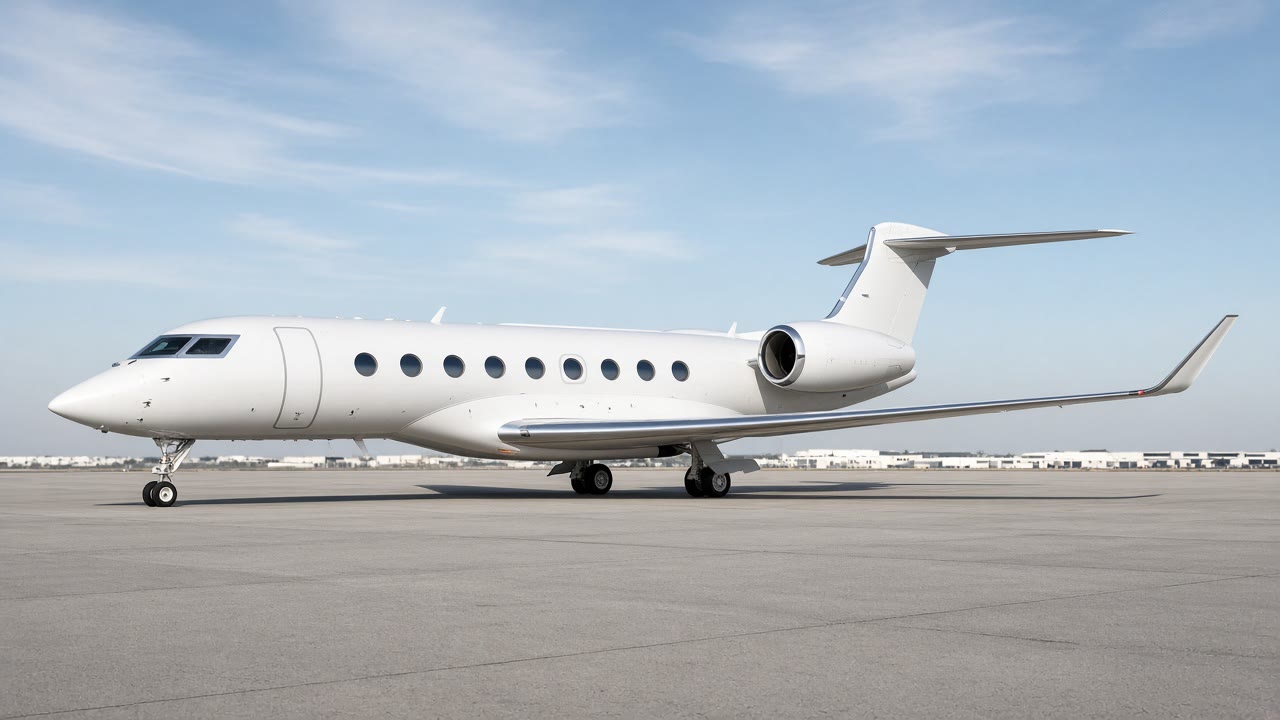
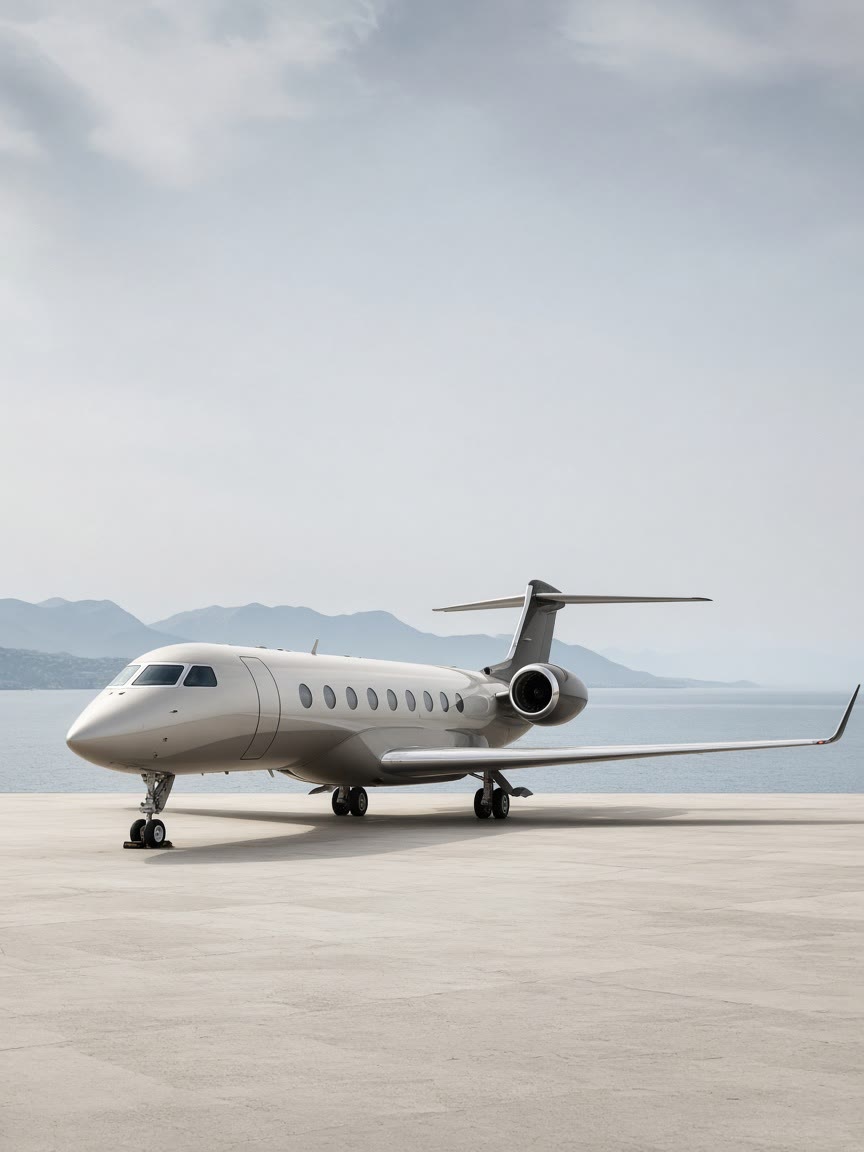
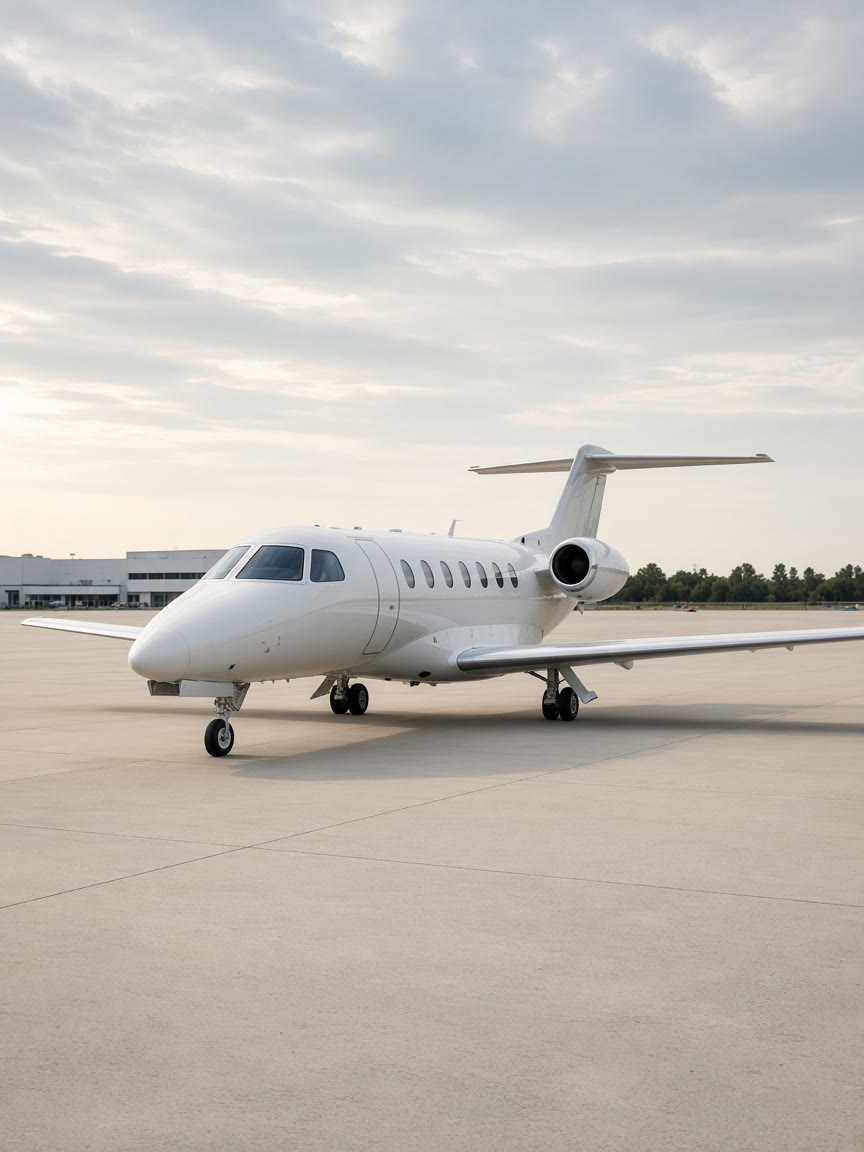
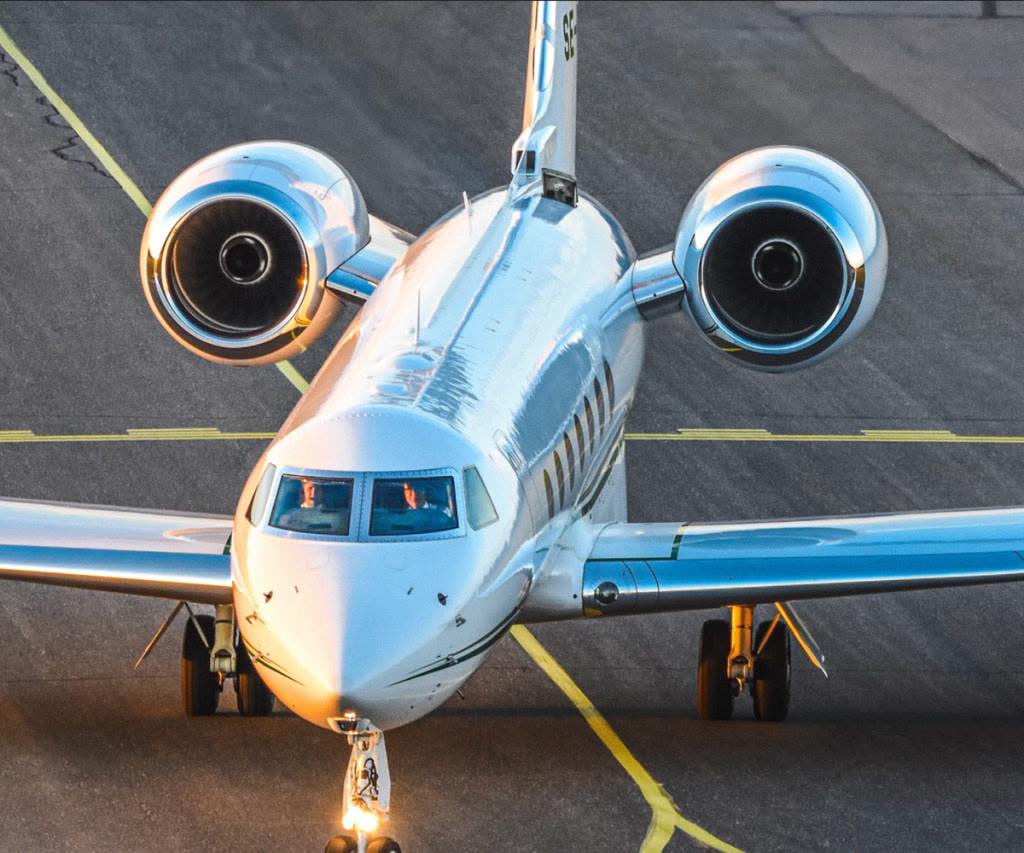

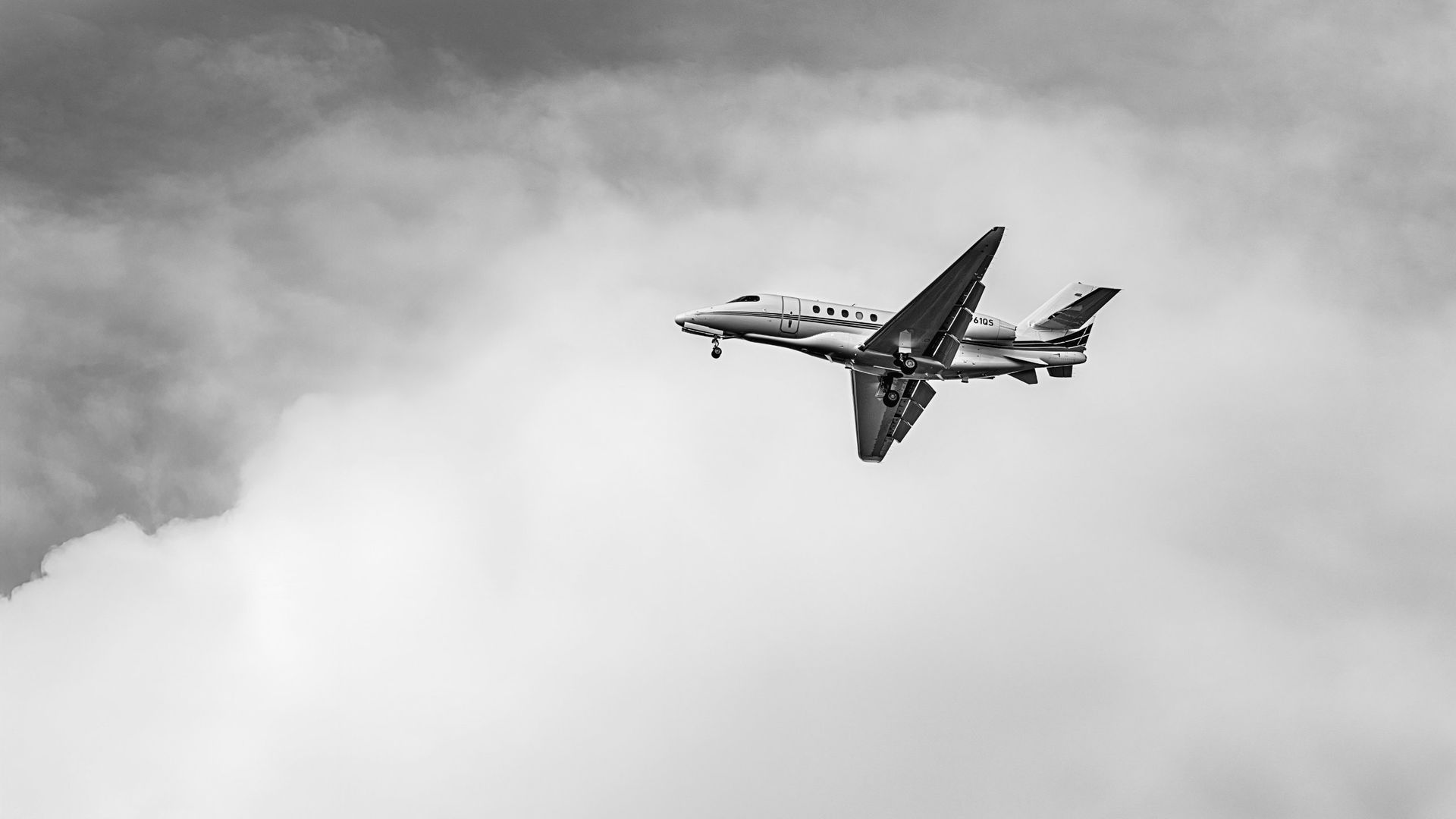
Light, midsize, super-midsize, heavy and ultra-long-range
Seat counts are the shared class capacities derived from the representative aircraft in the catalogue, so they match the estimate forms. Range is the typical figure used for class planning, before the reserve margin the pricing model applies. The hour band is the class rate in the pricing model, not a quote.
| Class | Seats | Typical range | Hour band | Examples |
|---|---|---|---|---|
| Light Jet | 7 | 1,900 nm | €3,500–€4,700 / flight hour | Phenom 300, Citation CJ4 |
| Midsize | 8 | 2,800 nm | €5,000–€6,700 / flight hour | Citation XLS+, Hawker 900XP |
| Super Midsize | 9 | 3,600 nm | €6,900–€9,200 / flight hour | Challenger 350, Citation Longitude |
| Heavy | 13 | 4,500 nm | €9,200–€12,400 / flight hour | Challenger 650, Falcon 2000LXS |
| Ultra Long Range | 16 | 7,000 nm | €12,800–€17,100 / flight hour | Gulfstream G650ER, Global 7500 |
Which cabin fits which trip
- —Light jet — a few passengers, shorter sectors, when both runways are comfortable for the type.
- —Midsize — more baggage and a longer domestic or European sector that is still inside the class range.
- —Super-midsize — coast-to-coast cabins and longer overwater sectors that a light or midsize jet will not cover with reserves.
- —Heavy — a larger party, more baggage, or a sector where the smaller cabins run out of range.
- —Ultra-long-range — intercontinental nonstop, when the smaller classes would need a fuel stop you do not want.