Private Jet Charter to Hamptons
Private aviation serves as the primary artery for the Hamptons during the summer season, providing necessary bypass of the concentrated traffic congestion on the Long Island Expressway (I-495) and Route 27. The destination, spanning from Westhampton to Montauk, remains one of the world’s most operationally challenging short-haul markets due to intense noise abatement protocols and a voluntary night curfew at East Hampton. The clientele consists largely of financial sector executives, legal professionals, and high-profile figures from Manhattan, Greenwich, and Miami who require efficient weekend transfers to seasonal residences and coastal estates. Unlike standard leisure destinations, the Hamptons operates on a rigid weekly cadence; Thursday and Friday arrivals followed by Sunday and Monday departures create a surge that often exceeds the infrastructure capacity of local airfields. Success in this market requires precise coordination between flight operators, FBO personnel, and ground transport coordinators to navigate the local regulatory and geographical constraints.
Best Time to Charter
The primary season for Hamptons charter activity begins on Memorial Day weekend in late May and concludes on Labor Day in early September. During this fourteen-week window, East Hampton (JPX) and Westhampton (FOK) experience their highest traffic volume. July and August represent the peak, with Friday afternoon and Sunday evening departures frequently booked weeks in advance. Weather windows are generally favourable throughout the summer, though sea fog can occasionally impact visibility for JPX arrivals, particularly in the early mornings or late evenings.
Outside of the summer peak, the shoulder seasons of May and September/October offer significant advantages. Prices typically stabilise as positioning fees decrease, and the pressure on ramp space at FBOs eases. Winter operations (November to April) are significantly less frequent but remain viable for year-round residents. Charter buyers should note that during the summer peak, 'peak day' surcharges are common across all US operators, sometimes adding 20% to 40% to the base charter rate. To avoid these, scheduling flights for mid-week—specifically Tuesdays and Wednesdays—can result in better aircraft availability and more flexible scheduling for arrivals and departures.
Airports & FBOs
East Hampton Town Airport (JPX / KJPX, formerly HTO)
East Hampton Town Airport is a public-use airport owned by the Town of East Hampton, and the most sought-after landing site due to its proximity to the prestigious estate sections of Sagaponack, Bridgehampton, and East Hampton Village. However, it is one of the most operationally restricted airports in the United States. The runway (10/28) is 4,255 feet long, which effectively limits operations to Turboprops and Light to Midsize jets.
Noise abatement is the primary concern here. Local town ordinances strictly enforce specific approach and departure paths to mitigate noise over residential areas. The Town asks all aircraft to observe a voluntary curfew from 10 p.m. to 7 a.m. It is not mandatory, and we plan arrivals and departures inside that window. Parking is also extremely limited; most aircraft are permitted to drop passengers and must then depart immediately (a 'drop and go') to reposition at Westchester County (HPN) or Republic Airport (FRG). The FBO, Sound Aircraft Services, handles fuel, ramp and the terminal. Hangar space is minimal. For those staying in the village, the transfer time is under 10 minutes.
Francis S. Gabreski (FOK / KFOK)
Located in Westhampton Beach, Gabreski is the long-runway and customs option for stays on the western end of the Hamptons and for larger cabins. It features three runways, the longest being Runway 6/24 at 9,002 feet, which can comfortably accommodate Heavy jets up to a Global 7500 or Gulfstream G650. Unlike JPX, FOK's 9,002 ft runway takes every business-jet class, and U.S. Customs is available with an advance reservation. It does not use East Hampton's voluntary night curfew.
Modern Aviation and Signature Aviation are the FBOs at FOK, both listed by Suffolk County. They provide ground handling, fuel and ramp parking. Because FOK is situated further west, it is approximately 45 minutes to an hour from East Hampton Village, depending on Route 27 traffic. For travellers heading to Quogue or Westhampton Beach, the airport is perfectly situated. Customs services are available through US Customs and Border Protection for international arrivals, making this the primary entry point for flights coming from the Caribbean or Europe.
Montauk (MTP / KMTP)
Montauk Airport is a small, privately owned facility at the very tip of the South Fork. With a runway of just 3,246 feet, it is restricted to smaller turboprops (like the Pilatus PC-12) and very light jets under specific conditions. It serves the surf-oriented community of Montauk and the luxury resort Gurney's. There are no significant FBO facilities here, and noise is a major concern for the surrounding state park and residential lands.
Alternate: Republic Airport (FRG)
If FOK and JPX are congested or closed due to weather, Republic Airport in Farmingdale serves as the primary alternate. It is a 60-to-90-minute drive to the Hamptons, but it offers full-service FBOs (Atlantic Aviation and Sheltair) and has no landing weight restrictions for large cabin jets. Many operators choose to base their 'floated' fleet here during the weekend.
Aircraft Recommendations
Light Jets
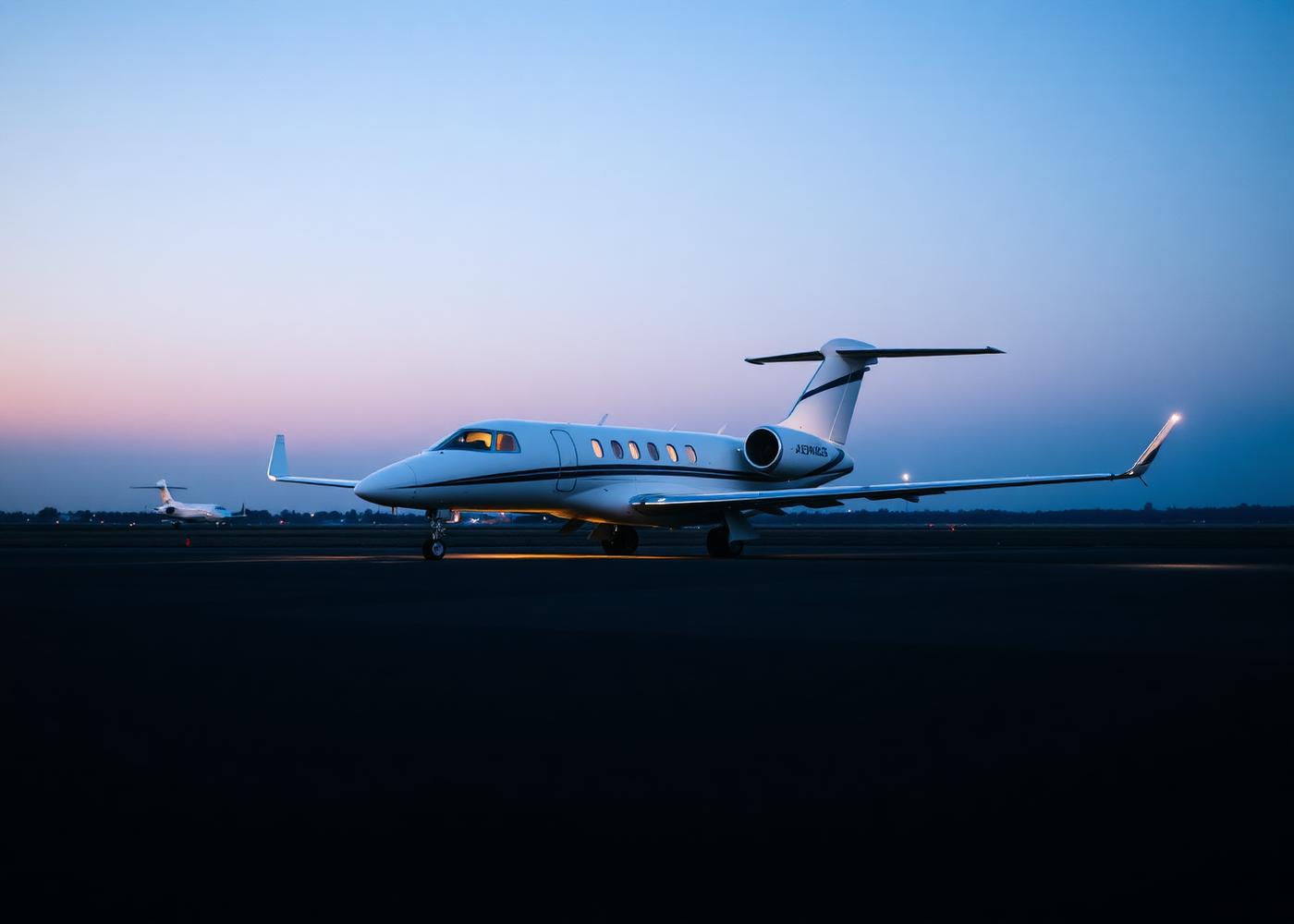
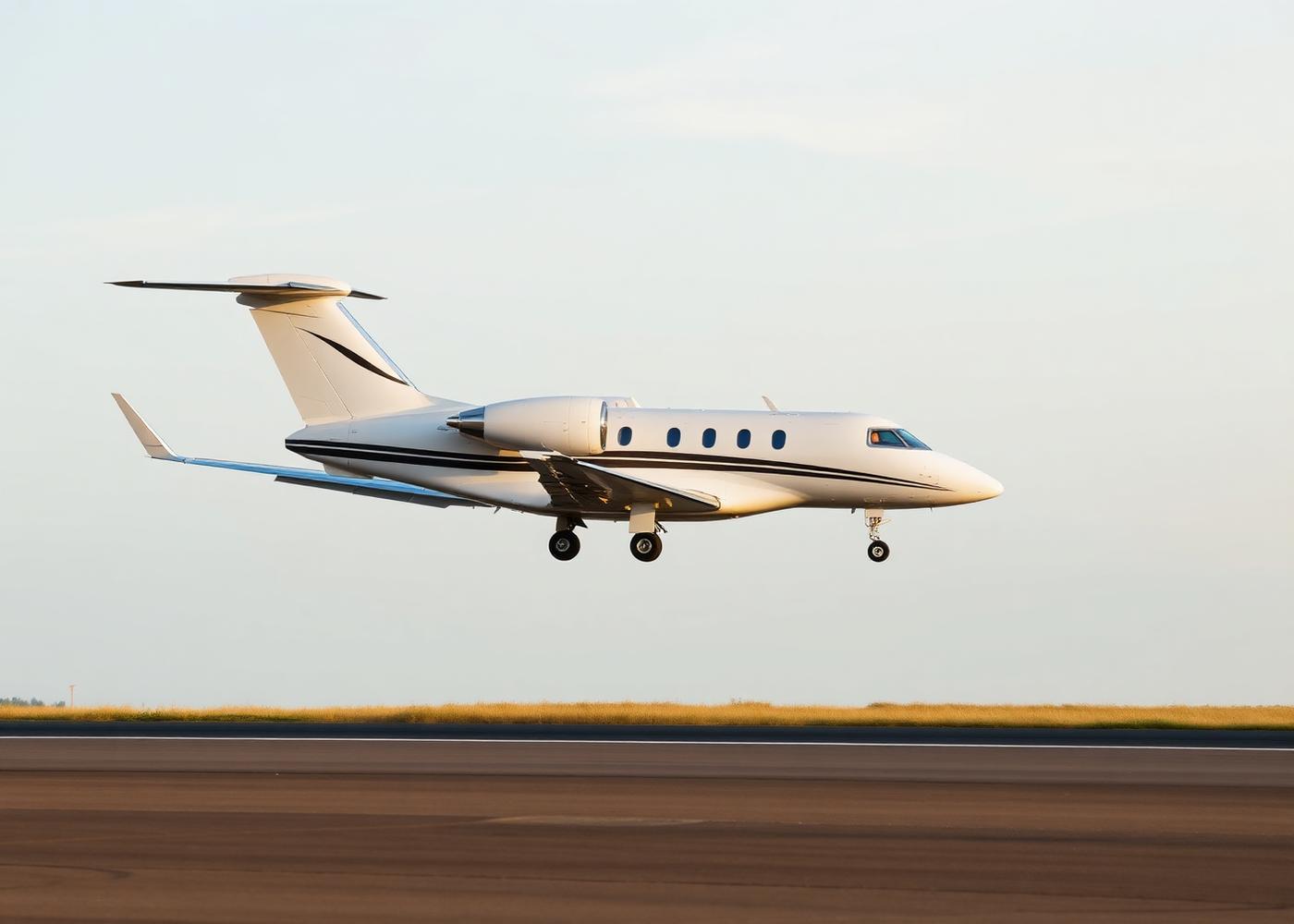
For the short hop from Teterboro or Westchester, Light Jets are the most economical and efficient choice. The Phenom 300 is the industry standard for this route, offering a balance of speed and the ability to operate comfortably on East Hampton's 4,255-foot runway. The Citation CJ3/CJ3+ is another excellent choice, known for its short-field performance and reliability. These aircraft typically seat 6–7 passengers and have enough baggage capacity for soft-sided weekend bags.
Midsize and Super-Midsize Jets
When flying from further afield, such as Florida or Chicago, Midsize jets offer the necessary range and cabin comfort. The Citation XLS+ is a frequent visitor to JPX due to its excellent climb performance. However, for those requiring a stand-up cabin and more luggage space, the Challenger 350 or Praetor 600 are the preferred models at FOK. These aircraft provide a quieter cabin environment and superior galley facilities for catered meals during the 2.5 to 3-hour flight from Miami (OPF).
Heavy and Ultra-Long-Range Jets
For trans-Atlantic arrivals or high-capacity groups (12+ passengers), Ultra-Long-Range aircraft like the Gulfstream G650ER or Global 6000 must use Westhampton (FOK). These jets offer full berthing for overnight flights from London or Paris and feature advanced soundproofing tech to ensure passengers arrive refreshed. It is important to note that these larger aircraft will almost never be allowed to park overnight at JPX and will face weight restrictions if they attempt to land there, making FOK the only logical choice for large cabin missions.
Indicative Pricing
Teterboro (TEB) to East Hampton (JPX)
Starting at approximately $8,500 for a one-way flight in a Light Jet. This short 45-minute leg is high-demand. The cost includes the base charter rate and JPX landing fees but often does not include the 'positioning' fee if the aircraft has to fly in from another base to pick you up.
Miami (OPF) to Hamptons (FOK/JPX)
Starting at $24,000 for a one-way flight in a Midsize Jet. The three-hour flight time makes a Midsize jet like a Hawker 800XP or Citation XLS more desirable than a light jet.
Pricing Drivers
The figures above are indicative and subject to several variables. One of the largest cost drivers in the Hamptons market is the 'repositioning' cost. Because parking is limited at JPX, an operator might charge for four legs of flight time: the ferry to JPX for pick-up, the flight to the destination, and should the aircraft not be able to stay, the ferry back to a base like FRG or HPN.
Empty-leg opportunities can provide savings of 30% to 60%, particularly on Monday mornings when many aircraft are returning empty to New York City airports after dropping off passengers. However, empty legs are rigid and cannot be scheduled to your specific time, making them unsuitable for those with strict itineraries.
Arrival Logistics
Upon landing at Sound Aircraft Services at JPX, or at Modern Aviation or Signature at FOK, the transition from aircraft to ground transport is designed for speed. At JPX, passengers are typically off the aircraft and in their vehicle within five minutes of the engines shutting down. Due to the lack of through-terminal transit, your chauffeur is usually permitted to meet the aircraft on the ramp, allowing for a 'plane-side' transfer of luggage.
Ground Transfers
Traffic on Route 27 (the Montauk Highway) is the single biggest obstacle to arrival logistics. A journey from FOK to East Hampton that should take 35 minutes can easily take 90 minutes on a Friday afternoon. To circumvent this, many high-net-worth travellers book helicopter transfers. A helicopter from FOK to JPX takes roughly 8 minutes and avoids the 'Trade Parade' traffic. These are often operated by Sikorsky S-76 or Bell 407 helicopters.
Customs and Pet Handling
International arrivals must clear customs at FOK. The process is streamlined but requires advance notice of at least 24 hours. For pet owners, the Hamptons is a very pet-friendly destination. Most charter operators permit dogs in the cabin (often required to be leashed or on a 'pet rug'). Ensure you have the necessary vaccination records if flying internationally. Local FBOs can arrange for pet-waste disposal and water upon arrival.
On the Ground
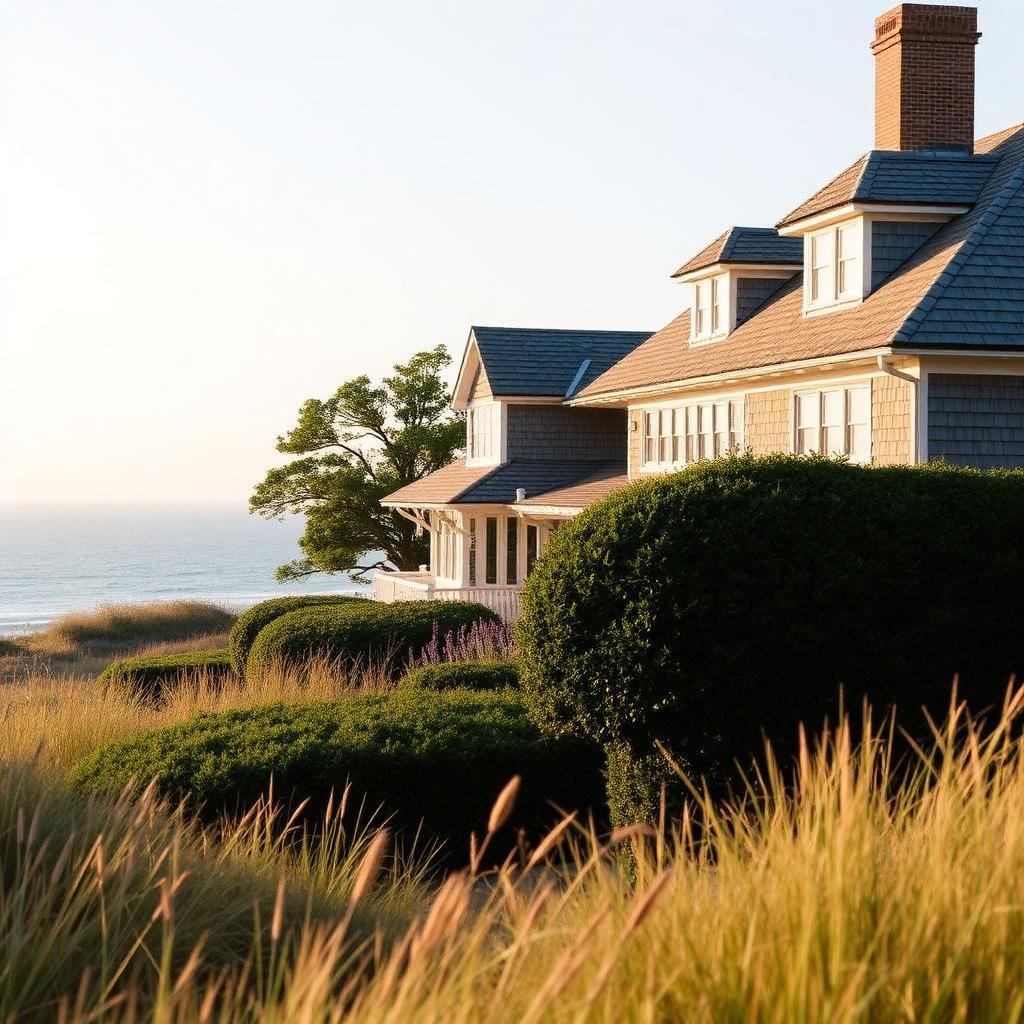
The Hamptons is structured around several distinct hamlets, each with its own character. Southhampton is the traditional heart of the region, home to the most established estates and the prestigious Meadow Lane. East Hampton Village is the commercial and social hub, where high-end boutiques on Main Street meet the historic architecture of the Maidstone Club area. Still further east, Amagansett offers a more understated, 'barefoot luxury' vibe, while Montauk remains the destination for those seeking a more rugged coastal experience with high-end dining and nightlife.
For accommodation, historic inns and estates have been converted into ultra-luxury boutique hotels. The corridor between Bridgehampton and East Hampton contains the highest density of private villas, many of which are shielded by 15-foot privet hedges to ensure total privacy for the occupants. Dining in the Hamptons during the summer is a competitive sport; reservations at the most established venues are often managed through private club memberships or long-standing relationships. The yachting scene is primary centered around Sag Harbor, where the deep-water port allows for large motor yachts to dock within walking distance of the town's restaurants and galleries.
Common Mistakes Charter Buyers Make
- Assuming JPX is Always Possible: The noise rules and short runway at East Hampton (JPX) mean that in high temperatures or with heavy loads, certain jets simply cannot land safely or legally. Always have FOK as a confirmed back-up in your charter agreement to avoid last-minute diversions.
- Underestimating Traffic: Booking a car from Gabreski (FOK) to Amagansett at 4:30 PM on a Friday is a mistake. The traffic will negate the time saved by flying private. Always consider a helicopter shuttle for the final leg or time your arrival for early morning or late evening.
- Luggage Overload in Light Jets: For a weekend trip, passengers often bring golf clubs and oversized luggage. In a Light Jet like a Phenom 100 or even a CJ3, space is finite. If you have four passengers with full-size suitcases and golf bags, you will likely need to upgrade to a Midsize jet or send luggage ahead by road.
- Late Booking for Peak Holiday Weekends: For July 4th or Labor Day, demand is so high that even if you find an aircraft, the preferred arrival time may already be taken. JPX has no slot coordination. We recommend booking these specific weekends at least 4-6 weeks in advance.
- Forgetting Positioning Costs: Buyers are often surprised when a 'one-way' quote includes 3 hours of 'ferry' time. This is because the jet must come from its home base and return there if it cannot park at JPX. Transparency on these 'hidden' legs is vital during the quoting process.
Booking Window & Lead Times
For a standard summer weekend, a lead time of 7 to 14 days is usually sufficient to secure a high-quality aircraft at a competitive rate. For 'last-minute' Friday afternoon flights booked on a Thursday, options will be limited and prices will reflect the scarcity of available tail numbers and the necessity of repositioning aircraft from further afield.
Same-day feasibility is possible but depends heavily on the 'repositioned' fleet. Many jets drop passengers in the Hamptons in the morning and wait at FRG or ISP (Islip) for a late-afternoon return leg; these are the primary source for 'go-now' charters. To provide an accurate quote, our team requires the passenger count, total luggage weight (and type), and your flexibility regarding the arrival airport (JPX vs. FOK). We confirm the field, the voluntary curfew window and handling before the tail is booked.