Overview — why charter here, who flies in, character of the destination
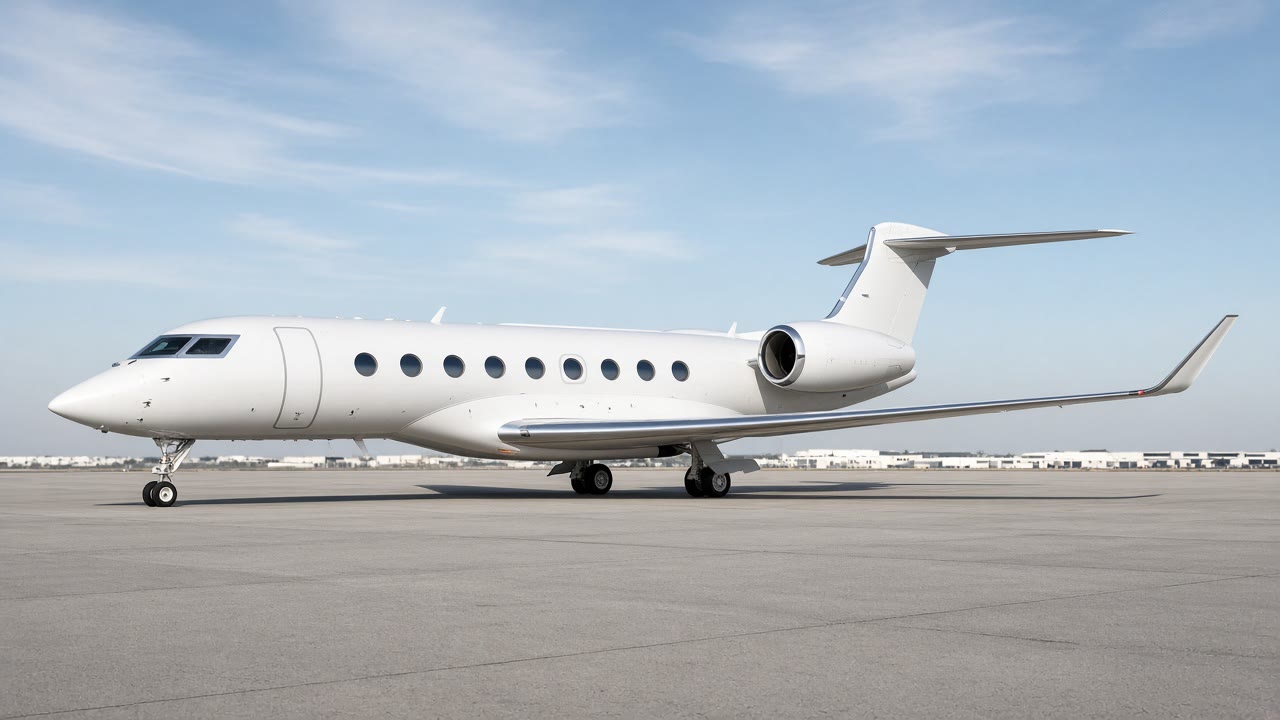
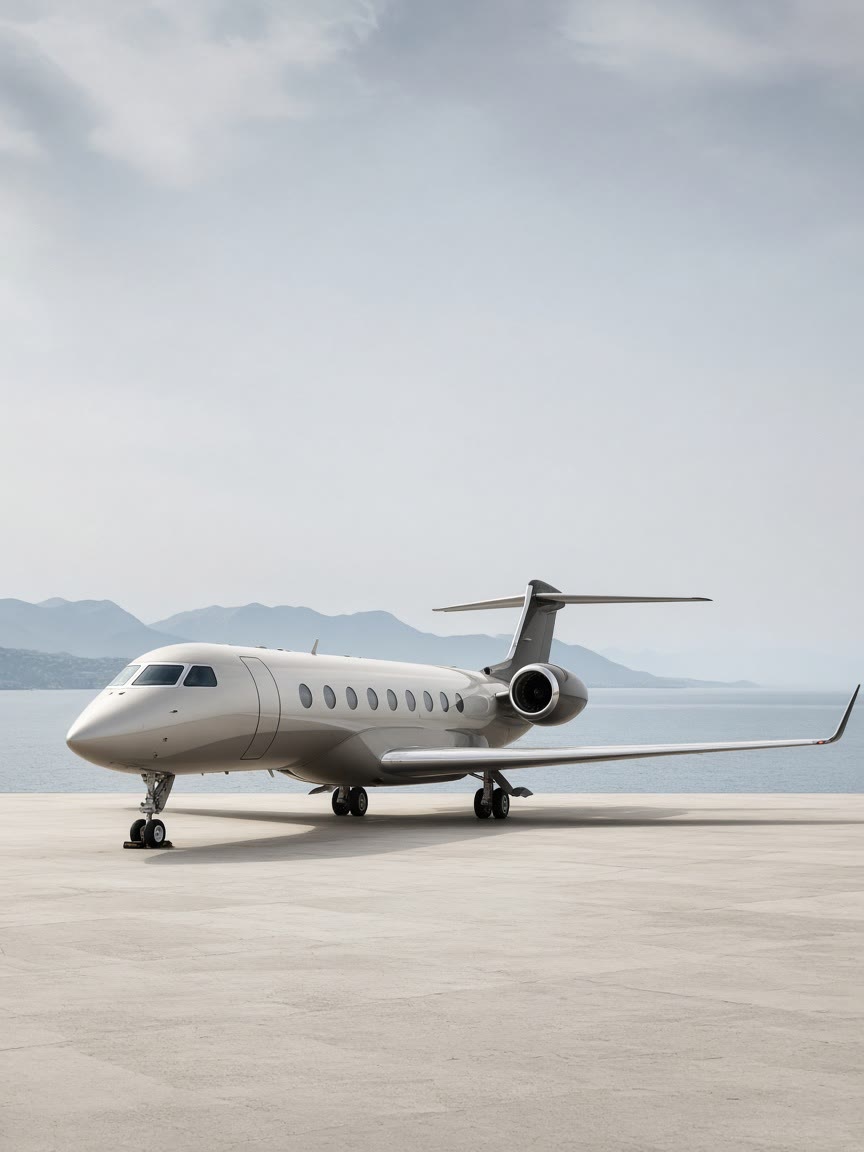
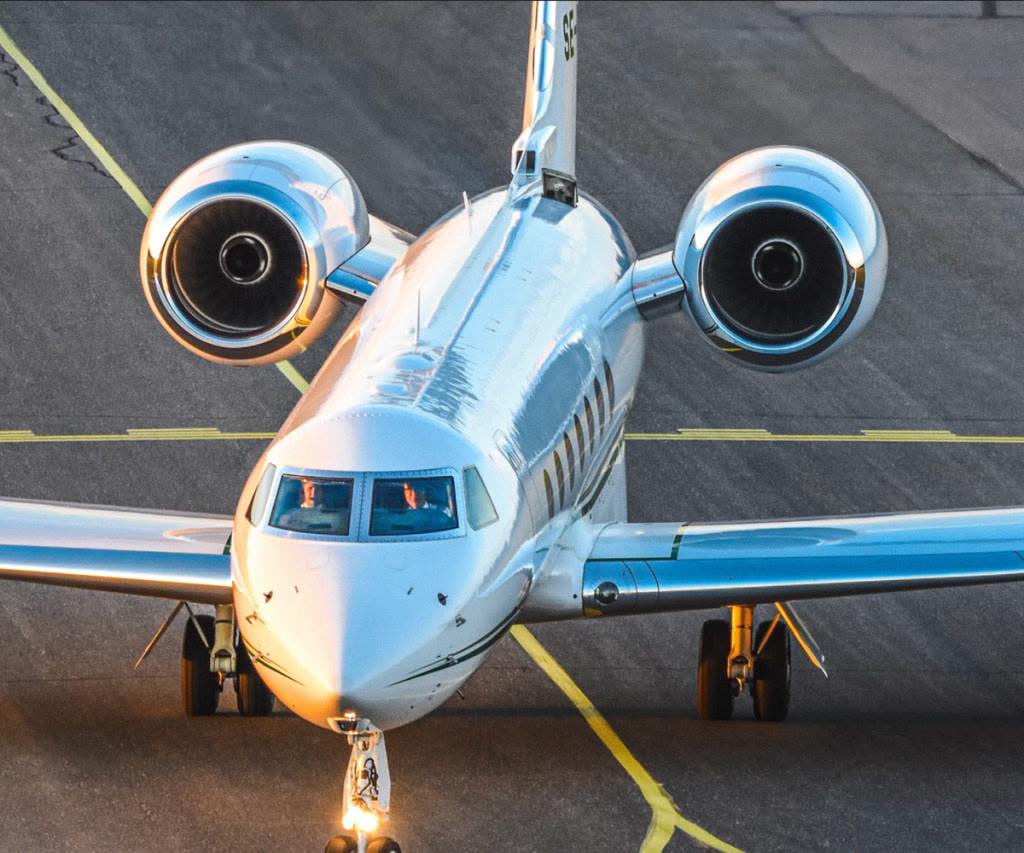
Ibiza is the Mediterranean's most-flown private aviation market in July and August. Chartering private bypasses the punishing summer queues at the public terminal and unlocks direct, on-time arrivals to the island's beach clubs, marinas and finca estates. Beyond this simple convenience, however, lies a more fundamental truth: private aviation is the only way to truly unlock the island’s dual personalities on your own schedule. Ibiza is a destination of exquisite contrasts, a place where hedonism and wellness, rustic charm and extreme luxury, coexist in a vibrant, sun-drenched tableau. Flying in privately allows one to seamlessly transition between these worlds, moving from a secluded yoga retreat in the north to a VIP table at a super-club in the south without the friction of commercial travel. The clientele reflects this diversity. The passenger manifest on a typical August day reads like a global power list: tech billionaires, Russian oligarchs, Saudi royalty, American music icons, and European industrialists. They are joined by multi-generational families taking over sprawling fincas for the month, and groups of friends celebrating milestones in unparalleled style. These travellers choose charter not just for privacy and efficiency, but because it provides a level of control and flexibility that is essential to navigating the island’s demanding social and logistical landscape. The aircraft itself becomes part of the experience—a calm, controlled environment to begin and end a trip that is often anything but. The island’s character is magnetic; it draws people who live life at a higher intensity, and the mode of arrival is simply an extension of that philosophy. Access is everything in Ibiza, and a private jet is the ultimate key.
Arrival logistics & FBOs — airport details, slot dynamics, customs, parking
Ibiza Airport (IATA: IBZ, ICAO: LEIB) serves as the exclusive air gateway to both Ibiza and its tranquil sister island, Formentera. During the peak months of July and August, this single-runway airport becomes one of the most congested and complex private aviation environments in the world. Understanding the arrival logistics is therefore paramount for a successful charter. All private traffic is handled at a dedicated general aviation terminal, served by two primary Fixed-Base Operators (FBOs): Aviapartner Ibiza FBO and Sky Valet Spain. Both offer the expected suite of premium services, including private passenger lounges, crew rest areas, and direct ramp access for vehicles. Crucially, they also facilitate in-house customs and immigration, allowing charter passengers to be processed in minutes, away from the chaos of the main terminal. The single most critical factor for summer travel is securing an airport slot. Coordinated by the Spanish airport authority (AENA), these landing and take-off permissions are fiercely contested, particularly for arrivals on a Thursday or Friday and departures on a Sunday or Monday. Without a confirmed slot, aircraft are simply not permitted to land. This scarcity makes last-minute travel almost impossible and requires significant advance planning. The other major constraint is aircraft parking. With very limited stands available for private jets, long-stay parking is a rarity. The most common procedure is a "drop-and-go," where the aircraft disembarks its passengers and is then required to depart to a less congested airport for parking. Palma de Mallorca (PMI), a mere 25-minute flight away, is the most common repositioning location, though Valencia (VLC) and even Gerona (GRO) are also used. This has significant implications for departure flexibility, as the aircraft must be summoned back, requiring its own return slot. Experienced brokers will always seek to confirm parking status and contingency plans when presenting charter options.
Ground transfer & onward connections — helicopter, car, boat options with times
Once on the ground at the FBO, the journey is far from over. The final leg from the aircraft steps to the villa, yacht, or hotel is a critical part of the private travel experience. The most efficient and dramatic onward connection is by helicopter. Several accredited operators offer single and twin-engine helicopters, such as the Airbus AS350 or Agusta AW109, directly from the airfield. A helicopter transfer entirely bypasses Ibiza’s notoriously gridlocked summer roads, turning a potential hour-long car journey into a ten-minute flight. This is the preferred method for reaching private estates in the island’s northern hills, such as near Sant Miquel or Santa Agnès, or for a swift connection to a superyacht anchored off the coast. The journey from IBZ to Marina Ibiza can take as little as seven minutes, delivering guests practically to the passerelle. For those travelling by land, pre-arranged chauffeured vehicles are essential. The FBOs coordinate with vetted local car services to have vehicles—typically black Mercedes V-Class vans or Range Rover SUVs—waiting on the ramp as the aircraft door opens. Passengers can move from jet to car in moments. Without traffic, the drive to Ibiza Town or Marina Botafoch is a straightforward 15-20 minutes. A trip to the quieter east coast town of Santa Eulalia might take 25-30 minutes, while reaching San Antonio on the west coast is a similar duration. However, in the height of peak season, these times can easily double or even triple, especially in the late afternoon and evening. This makes the controlled, predictable environment of a pre-booked car an absolute necessity. For guests joining a yacht, the transfer is a two-stage process: a chauffeured car from the FBO to Marina Ibiza or Marina Botafoch, followed by embarkation via the vessel’s tender or a pre-arranged water taxi for those anchored offshore. Careful coordination between the lead passenger, the broker, and the yacht’s captain is vital for a seamless handover.
Where to stay & neighbourhoods — districts, what suits whom
Choosing a base in Ibiza is a decision that fundamentally shapes the character of a trip. The island’s diverse neighbourhoods cater to distinctly different tastes. For those who crave proximity to the epicentre of energy, the area around Ibiza Town (Eivissa) and Marina Botafoch is the premier choice. This is the playground for the superyacht set and those who want immediate access to designer boutiques, world-class restaurants, and the legendary Pacha nightclub. Staying in a penthouse apartment overlooking the marina or at the exclusive Ibiza Gran Hotel places you at the heart of the action. A short stroll across the bay is Talamanca, which offers a slightly more relaxed beachfront atmosphere while remaining firmly connected to the social circuit. Here, hotels like the Nobu Hotel Ibiza Bay and ME Ibiza provide five-star luxury with a chic, beach-club vibe, attracting a fashionable crowd that enjoys both high-energy nights and sophisticated, barefoot days. For a completely different sensibility, the island’s north, around villages like Sant Joan and Portinatx, offers a tranquil, bohemian escape. This is the locus of Ibiza’s wellness scene, a land of rolling pine-clad hills, hidden coves (calas), and sprawling, secluded fincas. It is here that Six Senses Ibiza has established its European flagship, drawing a clientele focused on rejuvenation, privacy, and organic living. This area is ideal for families and those seeking refuge from the summer madness. To the west, the coastline around Es Cubells and Cala Jondal is defined by dramatic cliffs and exclusive, modern villas with breathtaking sea views. This area is favoured by those who want to be close to iconic beach clubs like Blue Marlin and enjoy spectacular sunsets. It offers privacy and glamour in equal measure. Finally, the east coast town of Santa Eulalia presents a more refined, family-friendly atmosphere, with a palm-lined promenade, its own marina, and a wealth of excellent, less frenetic restaurants.
Things to do — concrete activities, experiences, day trips
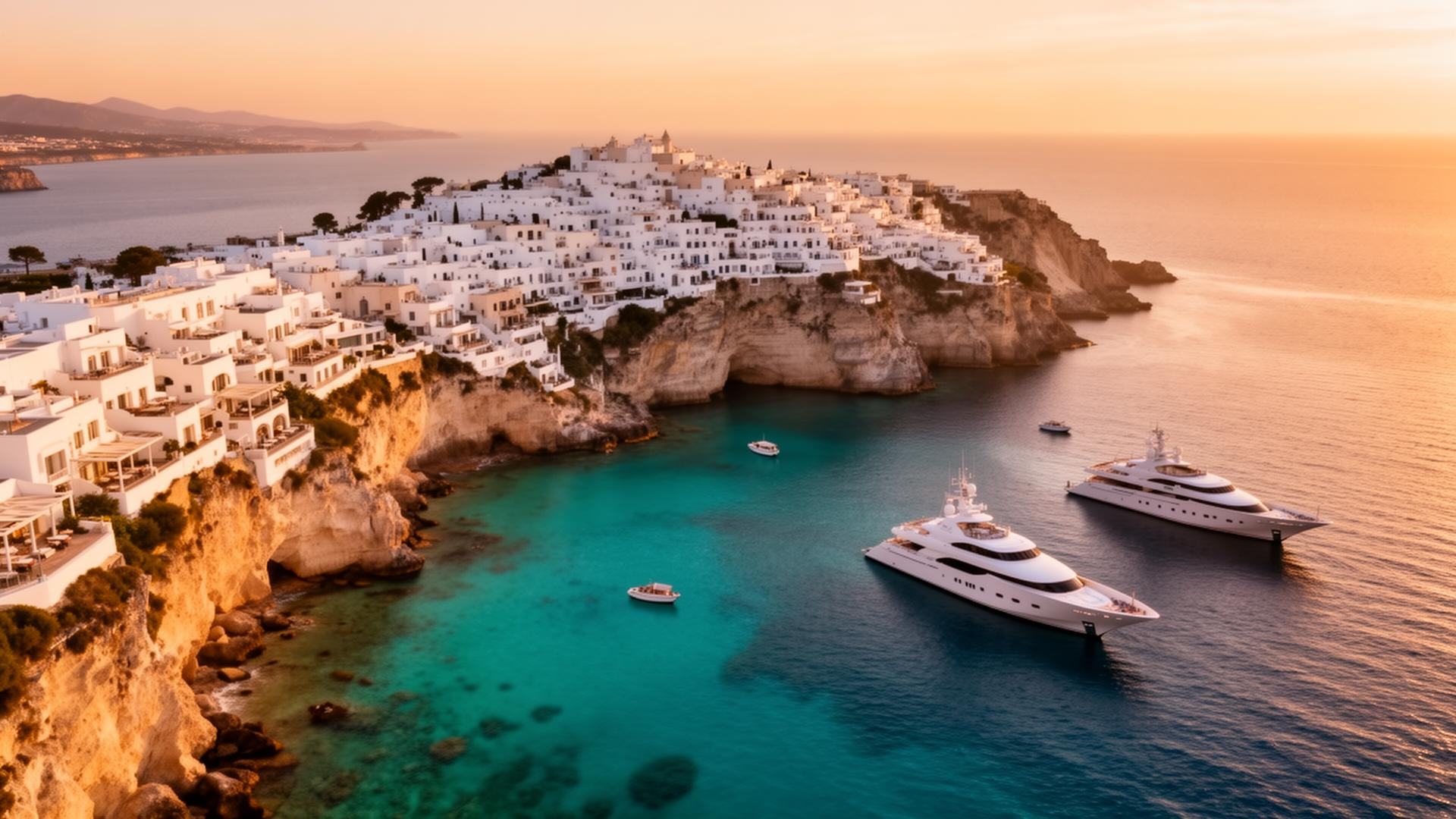
While its nightlife is legendary, Ibiza offers a remarkable depth of daytime activities and exclusive experiences, far beyond the beach club. The most quintessential Ibizan day trip is chartering a private motor yacht to explore the crystalline waters and white-sand beaches of Formentera. A typical itinerary involves departing from Marina Ibiza in the morning, cruising for 30 minutes across the Es Freus channel to drop anchor at Platja de Ses Illetes, often cited as one of the world’s best beaches. After a morning of swimming and sunbathing, the yacht’s crew can tender guests ashore for lunch at iconic restaurants like Juan y Andrea, before cruising to the uninhabited island of Espalmador for its natural mud baths. For the actively inclined, the island’s UNESCO-listed Posidonia oceanica seagrass meadows offer world-class diving and snorkelling. Private guides can lead certified divers on excursions to underwater caves and wrecks, such as the Don Pedro cargo ship, one of the Mediterranean’s largest diveable shipwrecks. On land, the wellness movement has created a wealth of exclusive experiences. Beyond the extensive programmes at Six Senses, many private fincas and boutique hotels offer bespoke retreats with visiting yoga gurus, sound healing practitioners, and personal chefs specialising in farm-to-table cuisine. Exploring the island’s rich culture is another pursuit. A private guide can provide an insider’s tour of the Dalt Vila, Ibiza’s fortified old town and a UNESCO World Heritage site, navigating its narrow, cobbled streets and explaining its rich Phoenician and Moorish history. For shoppers, a personal stylist can arrange private viewings at the high-end designer boutiques in Marina Ibiza or navigate the artisan stalls of the famous Las Dalias hippy market to find unique, handmade leather goods and jewellery. Finally, for a truly memorable evening, a private chef can be arranged for a multi-course dinner at a secluded villa, timed perfectly to the iconic Ibiza sunset.
Dining & nightlife — scene overview with specific names
The island’s social life ignites as the sun sets, offering a spectrum of culinary and nightlife experiences that is arguably unparalleled in Europe. The dining scene ranges from rustic, authentic tables to the highest echelons of global fine dining. For an atmospheric and traditional experience, Sa Capella, set within the stone walls of a deconsecrated 16th-century chapel just outside San Antonio, serves classic Spanish grills in a profoundly romantic setting. In contrast, La Gaia at the Ibiza Gran Hotel represents the pinnacle of modern gastronomy on the island. Helmed by chef Óscar Molina, it holds a Michelin star for its creative "Mediterranean Kaiseki," a fusion of local ingredients with Japanese techniques. For a more relaxed but equally chic experience, agroturismo restaurants like Casa Maca offer farm-to-table dining in a beautifully restored farmhouse overlooking Ibiza Town, with much of the produce grown on-site. The quintessential Ibiza sunset experience is best captured at a cliffside restaurant on the west coast; Es Boldadó, perched opposite the mystical rock of Es Vedrà, is a rustic and revered institution for fresh seafood and paella with an unforgettable view. The nightlife is a global phenomenon. It is anchored by the super-clubs, titanic venues that define the cutting edge of electronic music culture. The undisputed heavyweight champions are Ushuaïa Ibiza and its nocturnal sister club, Hï Ibiza, in Playa d’en Bossa. Ushuaïa hosts spectacular open-air parties from late afternoon until 11 pm, featuring the world’s biggest DJs against a backdrop of incredible stage production. As it closes, the crowd flows across the road to Hï Ibiza, a technologically advanced space with multiple rooms, consistently voted the world’s number one club. For a taste of history, Pacha, near Marina Botafoch, remains an iconic institution, its interlocking rooms and famous cherry logo synonymous with Ibiza glamour since 1973. Beyond the clubs, the scene is defined by beach clubs like Blue Marlin in Cala Jondal, where a jet-set crowd transitions from daytime sunbathing to dancing on the tables by dusk, and exclusive villa parties, the details of which are circulated through trusted concierge networks and private WhatsApp groups.
Seasonal calendar & pricing dynamics — when to fly, what it costs, how to save
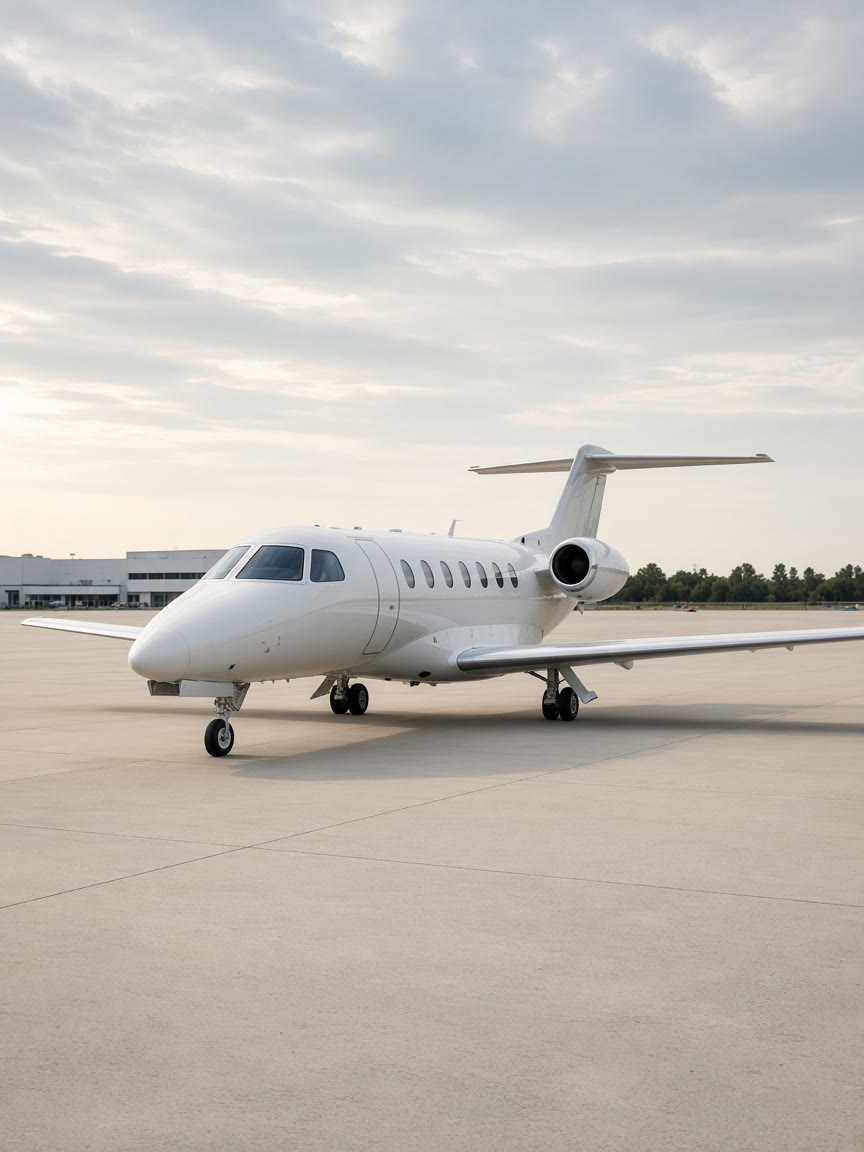
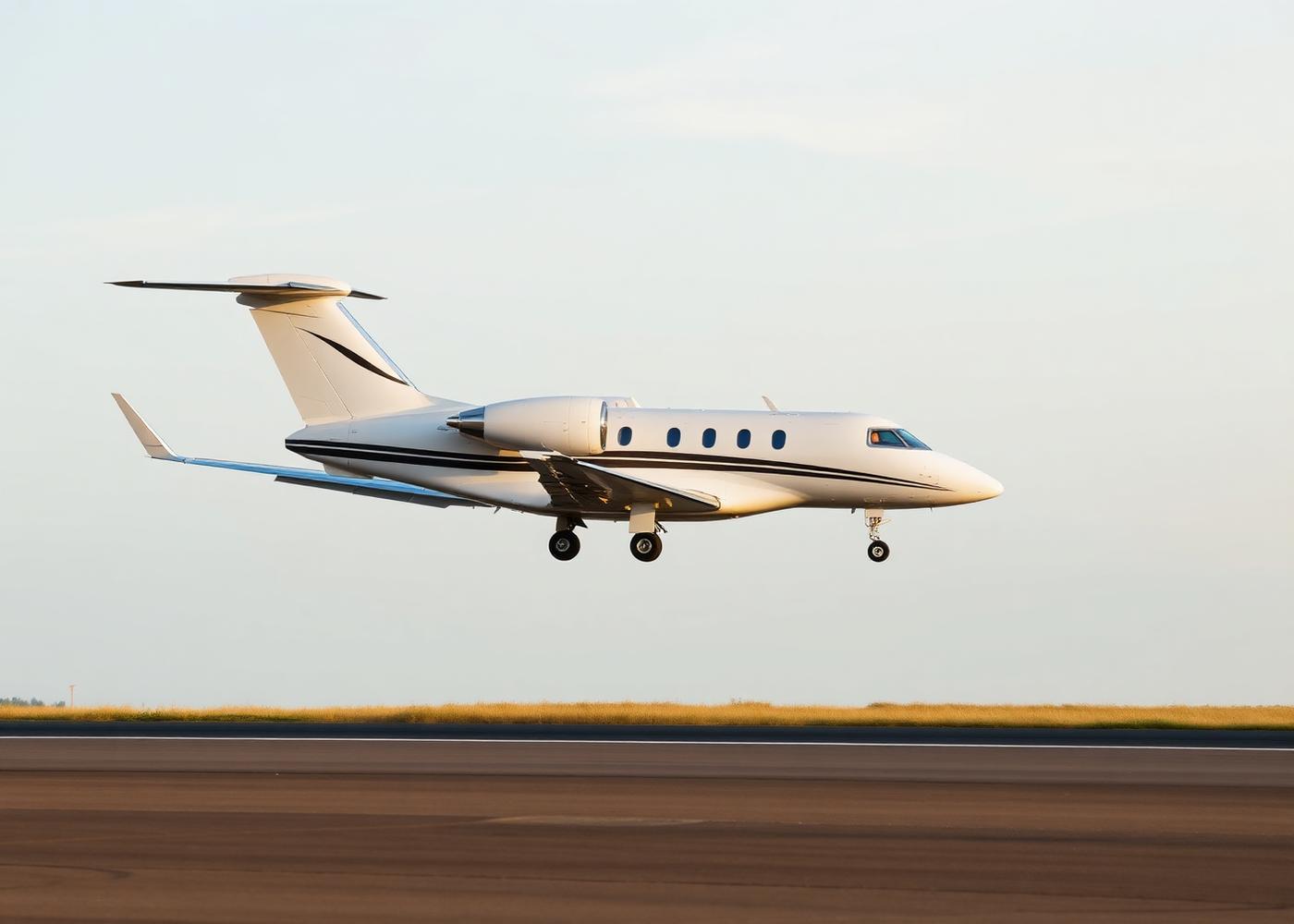
Ibiza’s aviation market operates on a dramatically seasonal calendar, and understanding its rhythm is key to managing charter costs and expectations. The season is neatly divided into three distinct periods. The peak season, encompassing July and August, is when the island operates at a fever pitch. This is the period of maximum demand, not only for aircraft but for every facet of the island’s luxury infrastructure, from villas to VIP tables. Charter pricing is at its absolute premium, driven by intense demand for a finite number of airport slots and parking stands. A one-way charter from London to Ibiza on a popular mid-size jet, such as a Cessna Citation XLS, can range from €25,000 to €35,000 or more, with prices escalating for last-minute requests. The key cost driver is often not the flight itself, but the logistics of aircraft repositioning. With parking at IBZ virtually non-existent, the aircraft will almost certainly need to fly to Palma (PMI) or the mainland and back, adding a second flight cycle to the operator’s costs, which is passed on to the charterer. The shoulder season, comprising May, June, September, and early October, is widely considered the optimal time to fly. The weather remains superb, the sea is warm, and the island’s restaurants, clubs, and services are all fully operational, but the crowds are thinner and the atmosphere is more relaxed. Crucially, airport slot availability is far better, and pricing is more competitive. That same London to Ibiza flight might cost 20-30% less than its peak-season equivalent. There is a higher chance of securing aircraft parking at IBZ, reducing the need for costly repositioning. This period offers the best balance of the full Ibiza experience with more sensible economics and logistics. The off-season, from late October to April, is a period of hibernation for the island. Most hotels, restaurants, and nearly all clubs are closed. The island returns to its quiet, local state. While it can be a beautiful time for those seeking solitude and raw nature, it does not offer the typical Ibiza experience. Charter demand is minimal, and pricing is at its lowest, but clients should be aware that the island they arrive in will bear little resemblance to its summer self. To save money, booking well in advance for shoulder season travel is the most effective strategy.
Practical tips for charter buyers — booking lead time, common pitfalls, what to ask for
Navigating the complexities of an Ibiza charter, especially in peak season, requires a proactive and informed approach. The single most important factor is booking lead time. For travel in July and August, it is advisable to begin the booking process three to six months in advance. This is not because the aircraft are unavailable, but purely to secure the coveted landing and departure slots at Ibiza (IBZ). Slots are released by the airport authority in batches, and experienced brokers will monitor these releases closely to secure their clients’ preferred timings. Booking a month or two in advance is often too late for primetime weekend slots. In the shoulder season (May-June, Sept-Oct), a lead time of four to eight weeks is generally sufficient. A common and costly pitfall is the assumption of flexibility. In a normal charter, a client might be able to move their departure time with a few hours’ notice. In Ibiza in August, this is impossible. The departure slot is a fixed, immovable appointment. Missing it could mean a delay of many hours, or even a full day, until a new slot can be found. Another pitfall is overlooking the parking situation. Many clients are surprised to learn their multi-million-pound jet cannot wait for them at the airport. This "drop-and-go" necessity means the return flight is, in effect, a new inbound flight that must be scheduled and slotted. It also means the aircraft is not available for spontaneous day trips. When booking, it is crucial to ask your charter broker specific, pointed questions. Go beyond the price and aircraft type. Ask: "Have the landing and departure slots at IBZ been requested and confirmed?" and request the confirmation document. Enquire: "Is the aircraft parking confirmed at IBZ, or will it reposition?" If it is repositioning, ask "Where will it reposition to, and are the costs for this included in the quote?" Finally, confirm the end-to-end service: "Can you guarantee a seamless, airside transfer to a pre-booked vehicle?". An experienced broker will have answers and contingency plans for all these points, ensuring a smooth and predictable journey to Europe’s most demanding private jet destination.